
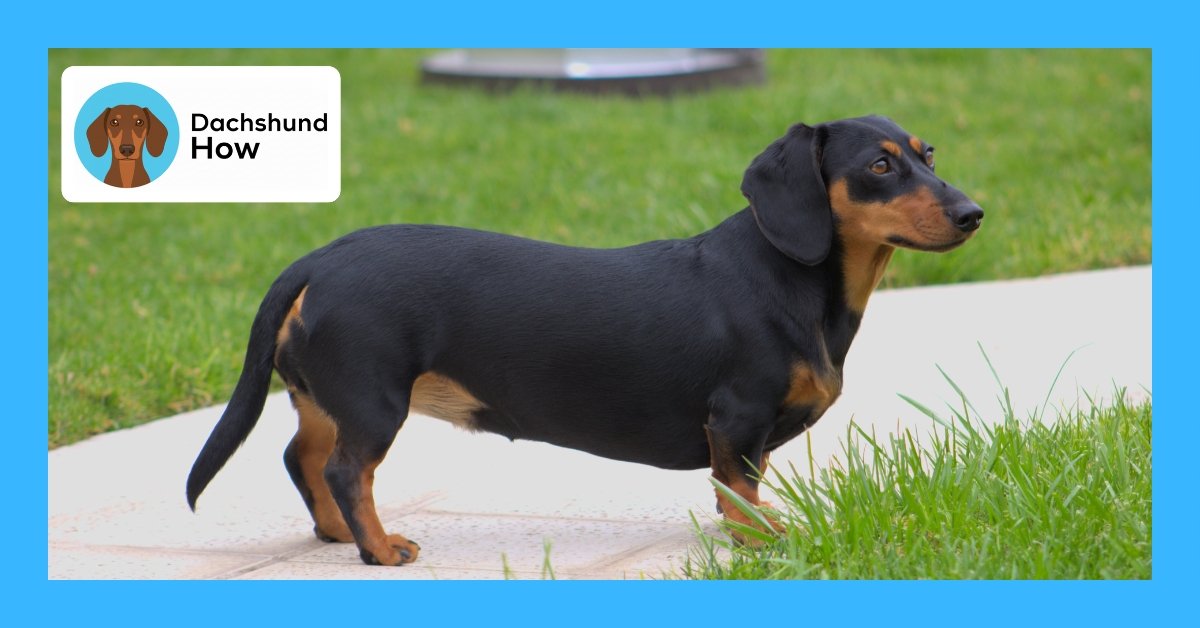
Does your Dachshund’s spine feel like a washboard when you pet them? You’re not alone – many Dachshund owners struggle with underweight pets, yet this breed-specific concern receives far less attention than obesity.
A Dachshund is too skinny when their ribs, spine, and hip bones are easily visible or prominently felt with minimal pressure. This condition affects their immune system, muscle development, and overall health, requiring immediate attention to prevent long-term complications.
Understanding why your Dachshund appears underweight involves examining factors from inadequate nutrition to underlying medical conditions. According to Dachshund Health UK, maintaining proper body condition is crucial for this breed’s unique physiology and long-term wellbeing.
How to Tell if Your Dachshund is Too Skinny
Recognizing an underweight Dachshund requires both visual and physical assessment techniques. Unlike other breeds, Dachshunds have specific body proportions that make weight evaluation more nuanced. For reference on typical breed dimensions, consult our Dachshund size chart guide to understand healthy proportions for your pet’s type.
Visual Signs of an Underweight Dachshund
Look for these obvious indicators when your Dachshund is standing or moving:
- Visible ribs: Ribs should not be prominently visible during normal breathing
- Pronounced waist tuck: An extreme hourglass shape when viewed from above
- Obvious spine ridge: Vertebrae creating a visible line down their back
- Hollow flanks: Sunken areas behind the rib cage
- Protruding hip bones: Pelvic bones easily seen from behind
Physical Touch Test
Run your hands along your Dachshund’s body to assess their condition. Healthy Dachshunds should have a thin layer of fat covering their ribs.
You should be able to feel the ribs with gentle pressure, but they shouldn’t feel sharp or easily countable. The spine should be palpable but not protruding dramatically.
7 Main Reasons Why Your Dachshund is Too Skinny
Multiple factors can contribute to your Dachshund’s underweight condition. Identifying the root cause determines the most effective treatment approach.
1. Inadequate Diet and Poor Nutrition
Many Dachshund owners unknowingly provide insufficient calories for their pet’s needs. Standard Dachshunds require 9-12 kg (20-26 lbs) of healthy weight, while Miniatures need 4.5-5 kg (10-11 lbs).
Low-quality commercial foods, inappropriate portion sizes, or excessive treats can create nutritional imbalances. Some owners restrict food thinking they’re preventing obesity, but this often leads to the opposite problem.
2. Internal Parasites
Intestinal worms steal nutrients from your Dachshund’s digestive system. Roundworms, hookworms, and tapeworms are common culprits that cause weight loss despite normal appetite.
Regular fecal examinations help detect these parasites early. Even indoor dogs can contract worms through contaminated food, water, or tracking in eggs on shoes.
3. Dental Problems and Oral Pain
Painful teeth or gums make eating uncomfortable, leading to reduced food intake. Dachshunds are prone to dental disease, which worsens with age. For comprehensive guidance on maintaining your pet’s oral health, see our detailed Dachshund dental care tips.
Signs include bad breath, difficulty chewing, pawing at the mouth, or preferring soft foods over kibble.
4. Digestive Disorders
Gastrointestinal issues prevent proper nutrient absorption even when your Dachshund eats adequately. Conditions like inflammatory bowel disease, food allergies, or bacterial overgrowth cause chronic weight loss.
Symptoms often include diarrhea, vomiting, gas, or changes in stool consistency alongside weight loss.
5. Metabolic Diseases
Diabetes, hyperthyroidism, and liver disease accelerate metabolism or impair nutrient processing. These conditions require immediate veterinary diagnosis and ongoing management.
Watch for increased thirst, frequent urination, lethargy, or changes in appetite patterns.
6. Stress and Environmental Factors
Psychological stress, household changes, or anxiety can suppress appetite in sensitive Dachshunds. Moving homes, new pets, or schedule disruptions may trigger eating problems.
Competitive eating situations with multiple pets can also prevent some dogs from getting adequate nutrition. If you’re considering adding another Dachshund to your family, read our guide on whether you should get 2 Dachshunds to understand the dynamics involved.
7. Age-Related Changes
Senior Dachshunds often experience decreased appetite, reduced activity levels, and metabolic changes. Their nutritional needs shift, requiring dietary adjustments to maintain healthy weight.
Healthy Weight Standards for Dachshunds
Understanding breed-specific weight ranges helps you set realistic goals for your pet’s condition. However, individual frame size and build affect ideal weight more than standardized numbers.
| Dachshund Type | Healthy Weight Range | Body Condition Signs |
|---|---|---|
| Standard Dachshund | 20-26 lbs (9-12 kg) | Ribs felt with light pressure, visible waist |
| Miniature Dachshund | 10-11 lbs (4.5-5 kg) | Slight fat covering ribs, moderate tuck-up |
| Underweight (Any Type) | Below range | Visible ribs, prominent spine, sharp hip bones |
How to Help Your Skinny Dachshund Gain Weight Safely
Helping your Dachshund reach healthy weight requires a systematic approach addressing underlying causes while gradually increasing nutrition.
Step 1: Schedule a Veterinary Examination
Rule out medical conditions before adjusting diet or feeding routines. Your veterinarian can perform blood work, fecal tests, and physical examinations to identify treatable causes.
Bring a recent stool sample and list any medications, supplements, or dietary changes you’ve tried.
Step 2: Optimize Their Diet
Switch to high-quality, calorie-dense food designed for weight gain or active dogs. Look for foods with 400+ calories per cup and high protein content.
Divide daily portions into smaller, frequent meals to improve digestion and absorption. Three to four meals work better than one or two large servings. Consider using a comfortable elevated bed to create a calm feeding environment that encourages relaxed eating.
Step 3: Add Healthy Supplements
Consider these veterinarian-approved additions to boost nutrition:
- High-calorie supplements: Nutri-Cal or similar products provide concentrated nutrition
- Probiotics: Support digestive health and nutrient absorption
- Omega-3 fatty acids: Improve coat condition and reduce inflammation
- Digestive enzymes: Help break down food more effectively
Step 4: Monitor Progress Weekly
Weigh your Dachshund weekly at the same time of day. Healthy weight gain should be gradual – approximately 1-2% of body weight per week.
Keep a feeding log tracking portions, treats, and any changes in appetite or behavior. Regular gentle brushing during this monitoring period also helps you assess body condition changes through touch.
When to See a Veterinarian Immediately
Certain warning signs require urgent professional attention regardless of your Dachshund’s current weight status.
Contact your veterinarian within 24 hours if you notice rapid weight loss (more than 10% in two weeks), persistent vomiting or diarrhea, complete loss of appetite lasting more than 48 hours, or visible lethargy and weakness.
Emergency situations include difficulty breathing, pale gums, collapse, or severe dehydration signs like skin tenting when pinched.
Prevention Tips for Maintaining Healthy Weight
Preventing future weight problems requires consistent monitoring and proactive care throughout your Dachshund’s life.
Regular Body Condition Assessments
Perform weekly body checks using both visual and hands-on techniques. This habit helps you catch weight changes before they become serious problems.
Take monthly photos from the side and above to track subtle changes over time.
Scheduled Veterinary Care
Annual wellness exams for young adults and twice-yearly visits for seniors help identify health issues early. Regular fecal testing and dental cleanings prevent common causes of weight loss.
Maintain current vaccinations and parasite prevention programs as recommended by your veterinarian.
Understanding Why Your Dachshund is Too Skinny Leads to Better Health
Addressing your Dachshund’s underweight condition requires patience and systematic evaluation of potential causes. Remember that healthy weight varies by individual frame size, age, and activity level rather than strict adherence to breed standards.
Working with your veterinarian ensures you identify underlying medical issues while safely implementing dietary changes. Most skinny Dachshunds respond well to appropriate intervention when owners catch problems early and follow consistent treatment plans.
Regular monitoring and preventive care help maintain optimal body condition throughout your Dachshund’s life, supporting their unique needs and promoting longevity.
Frequently Asked Questions
How quickly should my skinny Dachshund gain weight?
Healthy weight gain occurs gradually at 1-2% of current body weight per week. Rapid weight gain can stress organs and create new health problems. A 20-pound Dachshund should gain approximately 0.2-0.4 pounds weekly until reaching ideal condition.
Can I give my underweight Dachshund human food to help them gain weight?
Avoid human food except veterinarian-approved options like plain cooked chicken, rice, or pumpkin. Many human foods are toxic to dogs or too high in fat, causing digestive upset. Stick to high-quality commercial dog food designed for weight gain.
What’s the difference between naturally slim and unhealthily skinny in Dachshunds?
Naturally slim Dachshunds have good muscle tone, energy levels, and a thin fat layer over ribs. Unhealthily skinny dogs show visible ribs, prominent spine, muscle wasting, lethargy, and poor coat quality. When in doubt, consult your veterinarian for professional assessment.
Should I increase exercise for my skinny Dachshund?
Limit strenuous exercise until your Dachshund reaches healthy weight. Light walks and gentle play maintain muscle tone without burning excessive calories. Once they’ve gained appropriate weight, gradually increase activity levels to support muscle development and overall fitness.
How long does it take to see improvements in an underweight Dachshund?
Initial improvements in energy and appetite often appear within 1-2 weeks of dietary changes. Visible weight gain typically becomes noticeable after 3-4 weeks of consistent feeding. Complete recovery to ideal body condition usually takes 2-4 months depending on starting condition and underlying causes.
Are certain Dachshund colors or coat types more prone to being skinny?
No scientific evidence suggests coat color or type affects weight tendencies in Dachshunds. Individual genetics, feeding practices, health status, and activity levels have much greater impact on body condition than physical appearance traits.
What should I do if my Dachshund refuses to eat more food?
Try warming food slightly, adding low-sodium broth, or mixing in small amounts of wet food to increase palatability. Feed in quiet locations away from distractions. If appetite doesn’t improve within 48 hours, schedule veterinary examination to rule out medical causes affecting eating behavior.