
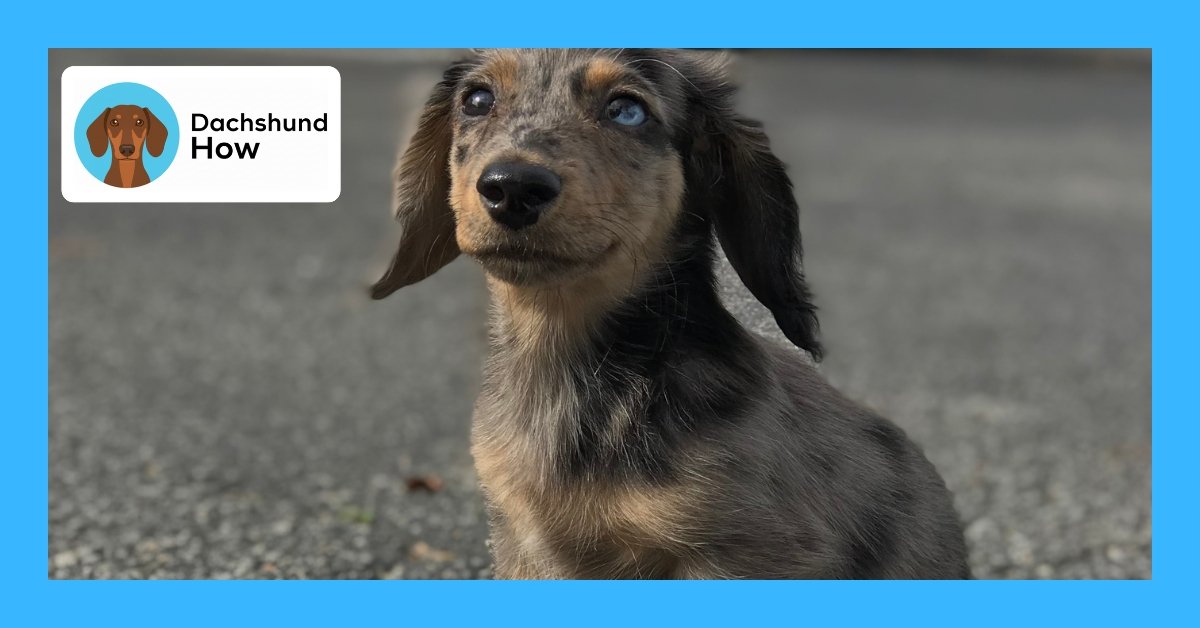
Did you know that Dachshunds possess one of the most powerful noses in the canine world, with over 125 million scent receptors compared to humans’ mere 6 million? Originally bred to hunt badgers in underground burrows, these “wiener dogs” are natural-born detectives waiting to unleash their incredible tracking abilities.
Dachshund scent tracking training harnesses your dog’s exceptional olfactory capabilities through structured exercises that progress from simple scent games to advanced tracking scenarios. This specialized training not only provides essential mental stimulation but also addresses common behavioral issues while celebrating your Dachshund’s genetic heritage.
Whether you’re looking to compete in AKC Scent Work competitions or simply want to engage your curious companion, this comprehensive guide will transform your Dachshund into a confident tracker while strengthening your bond together.
Understanding Your Dachshund’s Natural Scenting Abilities
Dachshunds were specifically engineered for scent work. Their elongated bodies and short legs position their noses closer to the ground, creating a natural advantage for ground scenting. This low-to-ground design isn’t just adorable – it’s functional perfection for tracking work.
The breed’s determination and focus, often mistaken for stubbornness, actually stems from centuries of selective breeding for independent hunting. Your Dachshund’s tendency to follow their nose obsessively is precisely what makes them exceptional trackers.
Modern scent training capitalizes on these inherited traits while providing structured outlets for natural behaviors. This prevents destructive tendencies and channels their hunting drive into productive activities. If you’re interested in exploring your Dachshund’s natural hunting instincts further, you might find our guide on training your Dachshund to hunt particularly valuable.
Getting Started with Basic Dachshund Scent Tracking Training
Success begins with proper energy management. Train your Dachshund when they’re alert but not overly excited – typically after a brief walk but before meal time. Over-tired or hyper dogs struggle to focus on scent work fundamentals.
Essential Equipment for Beginners
- High-value treats: Hot dogs work exceptionally well due to their strong scent without overfeeding concerns
- Long training leash: 15-20 feet allows freedom while maintaining control
- Comfortable harness: Protects the neck and spine during tracking – consider a quality training harness designed for Dachshunds
- Essential oils: Birch, anise, or clove for advanced training phases
Foundation Commands
Establish consistent verbal cues from day one. Popular commands include “find it,” “search,” or “track.” Consistency in your chosen command word is crucial for successful conditioning and clear communication with your Dachshund.
Start training sessions early morning, ideally by 6 a.m., when ground disturbance is minimal and competing scents are reduced. This timing provides optimal learning conditions for your developing tracker.
Step-by-Step Training Progression
Phase 1: Treat Tracking (Weeks 1-2)
Step 1: Create a simple 3-foot treat trail by dragging a hot dog piece along the ground, crushing grass to release additional scent markers.
Step 2: Place your Dachshund at the starting point, give your chosen command, and encourage them to follow the scent trail to the reward.
Step 3: Gradually increase trail length to 10-15 feet as your dog masters shorter distances.
Phase 2: Complex Patterns (Weeks 3-4)
Introduce directional changes with L-shaped and U-shaped trails. These patterns challenge your Dachshund to rely on scent rather than visual cues, developing true tracking skills.
Weather conditions become training allies during this phase. Light wind helps carry scent, while different surfaces (grass, dirt, concrete) provide varied learning experiences.
Phase 3: Essential Oil Introduction (Weeks 5-8)
Transition from food rewards to specific scent targets using essential oils. This advancement prepares your Dachshund for competitive scent work standards and develops discrimination skills.
Start with one oil type and gradually introduce additional scents as your dog demonstrates mastery.
Managing Dachshund-Specific Training Challenges
| Challenge | Solution | Timeline |
|---|---|---|
| Back strain during tracking | Use harnesses, limit session length | Immediate implementation |
| Stubborn behavior | High-value rewards, patience | 2-3 weeks consistency |
| Distraction by other scents | Controlled environment progression | 4-6 weeks gradual exposure |
| Weather sensitivity | Indoor alternatives, gradual exposure | Seasonal adaptation |
Protecting Your Dachshund’s Back Health
Dachshunds’ elongated spines require special consideration during scent training. Always use properly fitted harnesses to distribute pressure evenly across the chest rather than concentrating force on the neck area.
Limit individual training sessions to 15-20 minutes to prevent fatigue-related injuries. Multiple short sessions prove more effective than extended training periods for this breed.
Avoid elevated search areas that require jumping or climbing, which can stress the spine unnecessarily.
Advanced Training Techniques and Competition Preparation
The American Kennel Club’s Scent Work program offers structured advancement through four levels: Novice, Advanced, Excellent, and Master. Each level introduces new challenges including container searches, interior detection, exterior work, and buried scent location.
Competition Elements for Dachshunds
- Container Search: Detecting target scents hidden within various containers
- Interior Search: Locating scents within building environments with multiple distractions
- Exterior Search: Tracking scents outdoors with environmental variables
- Buried Search: Finding scents hidden in sand or water containers
Advanced training incorporates complex environmental factors including airflow patterns, competing odors, and varying weather conditions. These elements develop your Dachshund’s ability to work effectively in real-world scenarios.
Benefits Beyond Basic Training
Dachshund scent tracking training addresses multiple behavioral and health concerns simultaneously. Regular scent work provides intense mental stimulation that often reduces problematic behaviors like excessive barking, digging, and separation anxiety.
The focused nature of tracking work builds confidence in shy or anxious Dachshunds while providing appropriate outlets for high-energy individuals. This mental exercise often proves more tiring than physical activity alone. Understanding your Dachshund’s size and energy requirements can help you tailor training intensity appropriately.
Additionally, the structured training process strengthens the human-dog bond through collaborative problem-solving and shared success experiences.
Dachshund scent tracking training transforms your pet’s natural abilities into impressive skills while providing essential mental stimulation. The journey from basic treat trails to advanced competition readiness creates lasting benefits for both dog and owner. Remember that patience and consistency are your greatest tools – your Dachshund’s exceptional nose is already perfectly designed for success.
Frequently Asked Questions
How long does it take to train a Dachshund for scent tracking?
Most Dachshunds master basic scent tracking within 4-6 weeks of consistent training. Advanced competition-level skills typically develop over 6-12 months. Individual progress varies based on the dog’s age, previous training experience, and natural aptitude.
Can senior Dachshunds learn scent tracking?
Yes, senior Dachshunds often excel at scent work since it relies on mental rather than physical prowess. Adjust training sessions to shorter durations and ensure comfortable conditions. Many older dogs find renewed purpose and engagement through scent training activities.
What’s the best age to start Dachshund scent tracking training?
Puppies can begin basic scent games as early as 8-10 weeks old. Formal tracking training typically starts around 4-6 months when attention spans develop. However, Dachshunds of any age can successfully learn scent tracking with appropriate modifications.
How do I prevent my Dachshund from getting distracted during training?
Start in controlled environments with minimal distractions, gradually introducing new scents and stimuli. Use extremely high-value rewards and keep sessions short. Consistent practice in various locations builds focus and reliability over time.
Are there indoor alternatives for Dachshund scent training?
Absolutely. Hide treats throughout your home, use scent-detection boxes, or create indoor tracking courses using essential oils. Indoor training provides excellent foundation skills and weather-independent practice opportunities for consistent progress.
What should I do if my Dachshund seems uninterested in scent work?
Experiment with different reward types – some dogs prefer toys over treats. Ensure training sessions aren’t too long or demanding. Sometimes reducing pressure and making games more playful reignites natural interest in scent activities.
How can scent training help with my Dachshund’s behavioral problems?
Scent work provides mental stimulation that reduces boredom-related behaviors like excessive barking and digging. The focused activity builds confidence and provides appropriate outlets for natural hunting instincts, often resolving multiple behavioral issues simultaneously.